Participant Observation and Research Collaboration
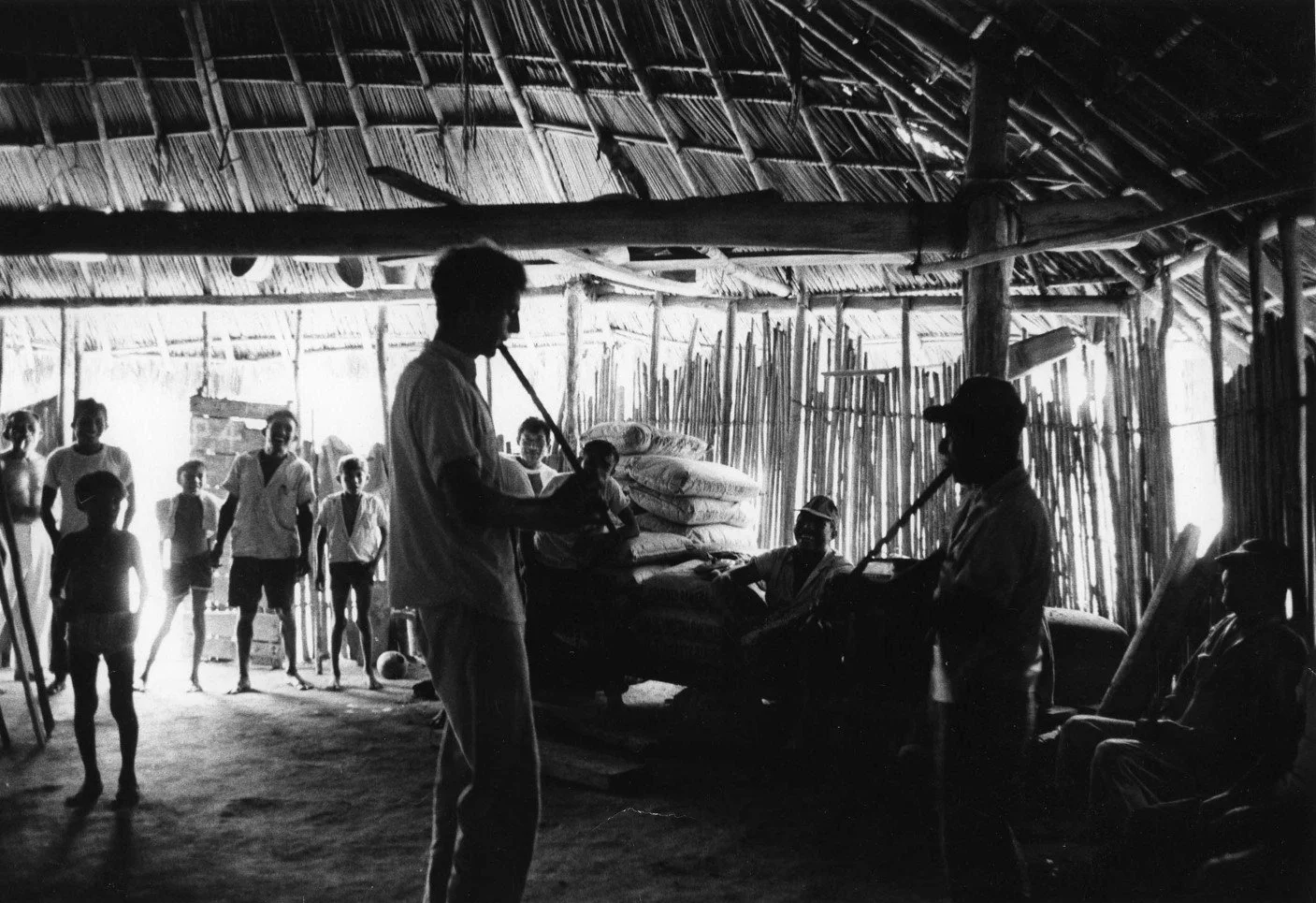
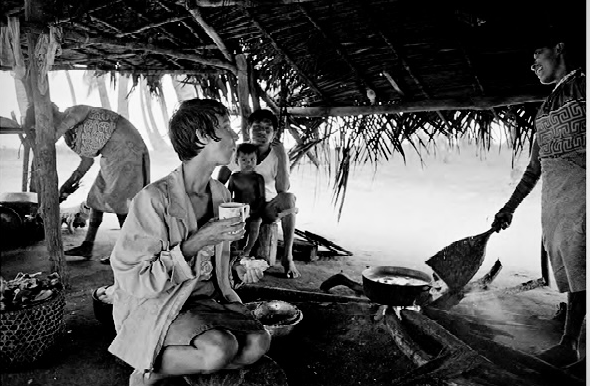
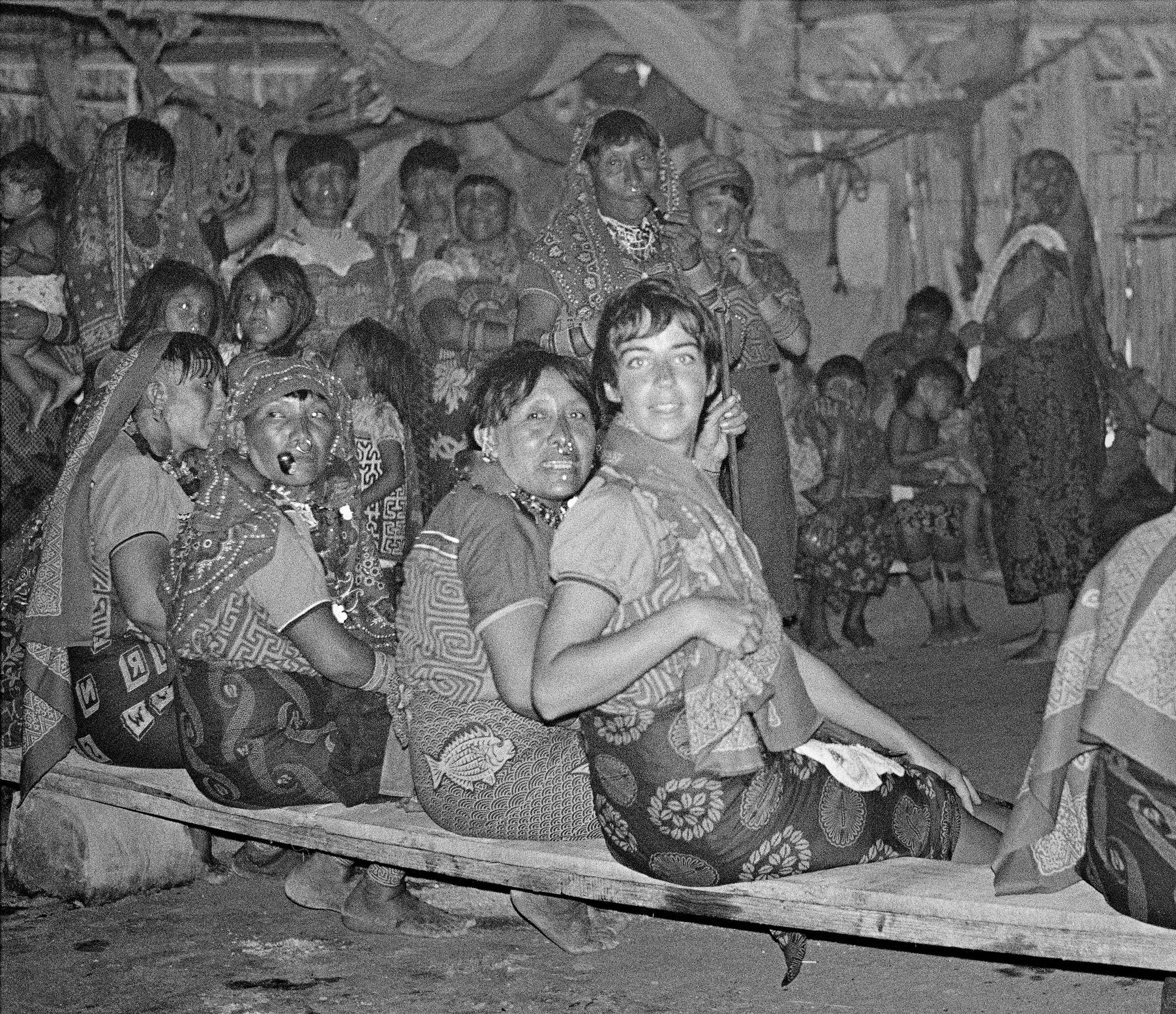
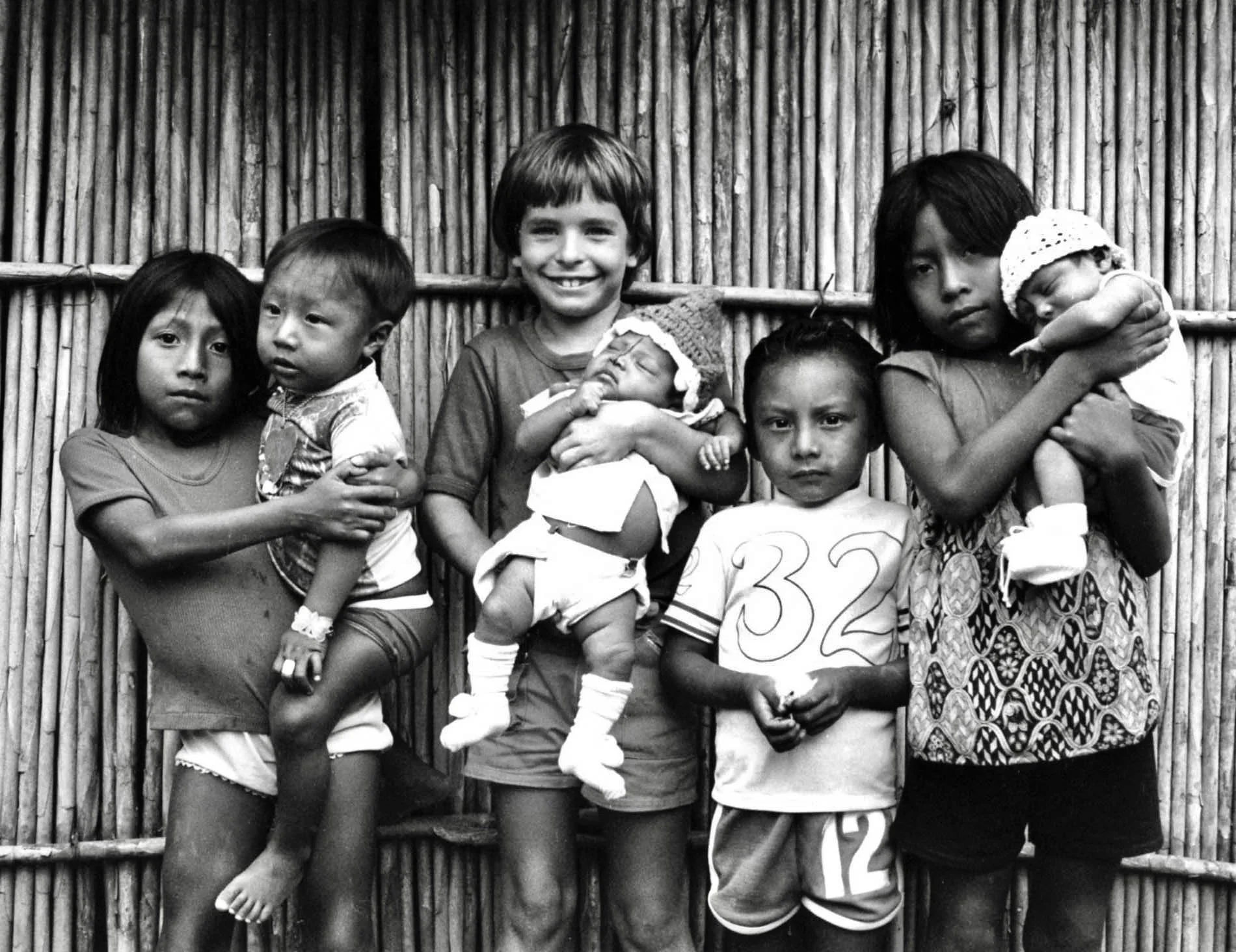
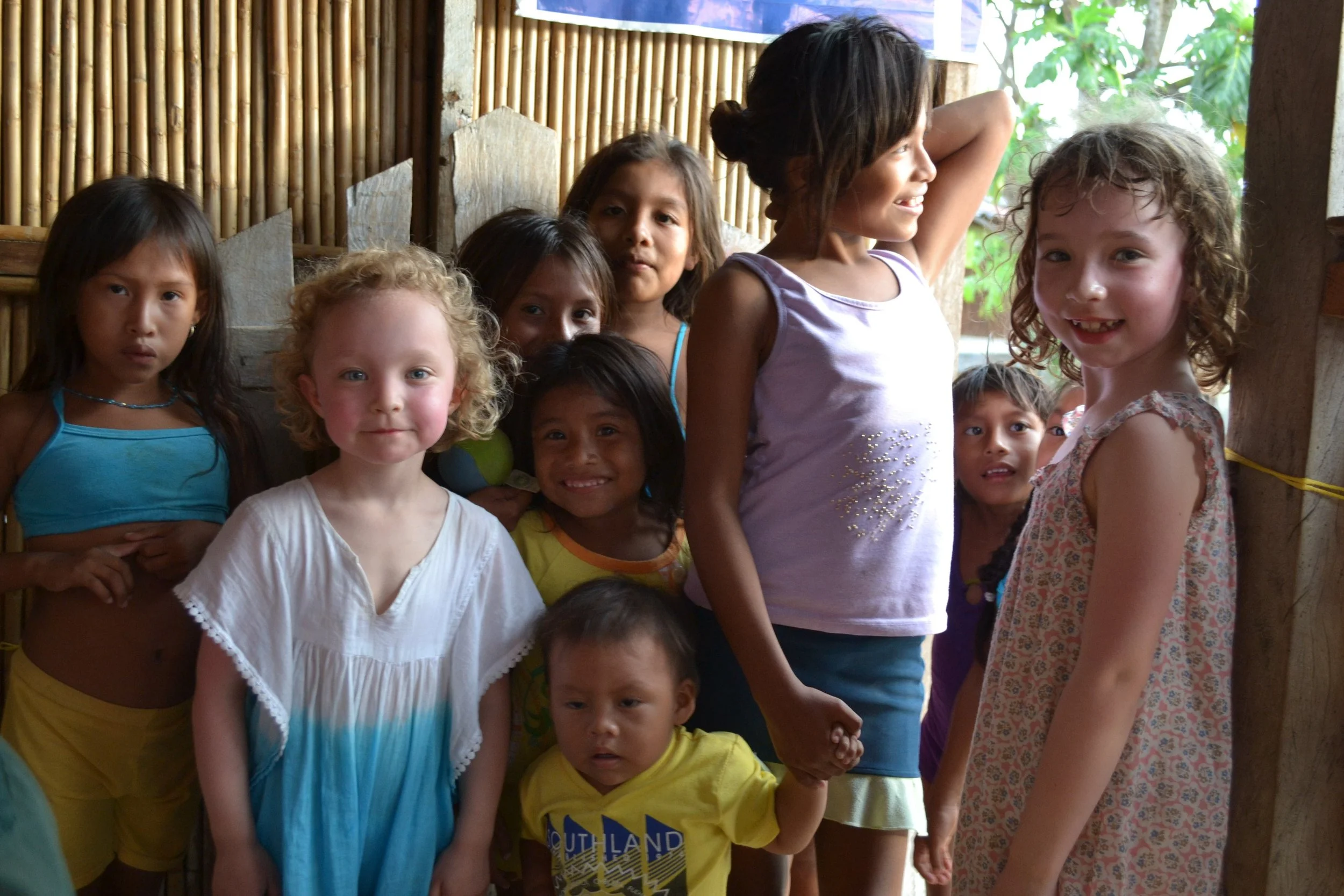
Ethnography, as a highly social form of research, depends on “participant observation”—on interviews, conversations, observations, and immersion in community life---a process that in James Howe’s case, has extended over half a century. Although he has worked in several parts of Gunayala, the indigenous homeland, since 1970 Howe and his family have kept up the closest ties with the village of Niadupu or Tigandiki. Throughout, Howe has depended on his own family---his sons, his brother, and above all, on his wife Mary June, whose warm heart and keen intelligence have made a success of fieldwork.
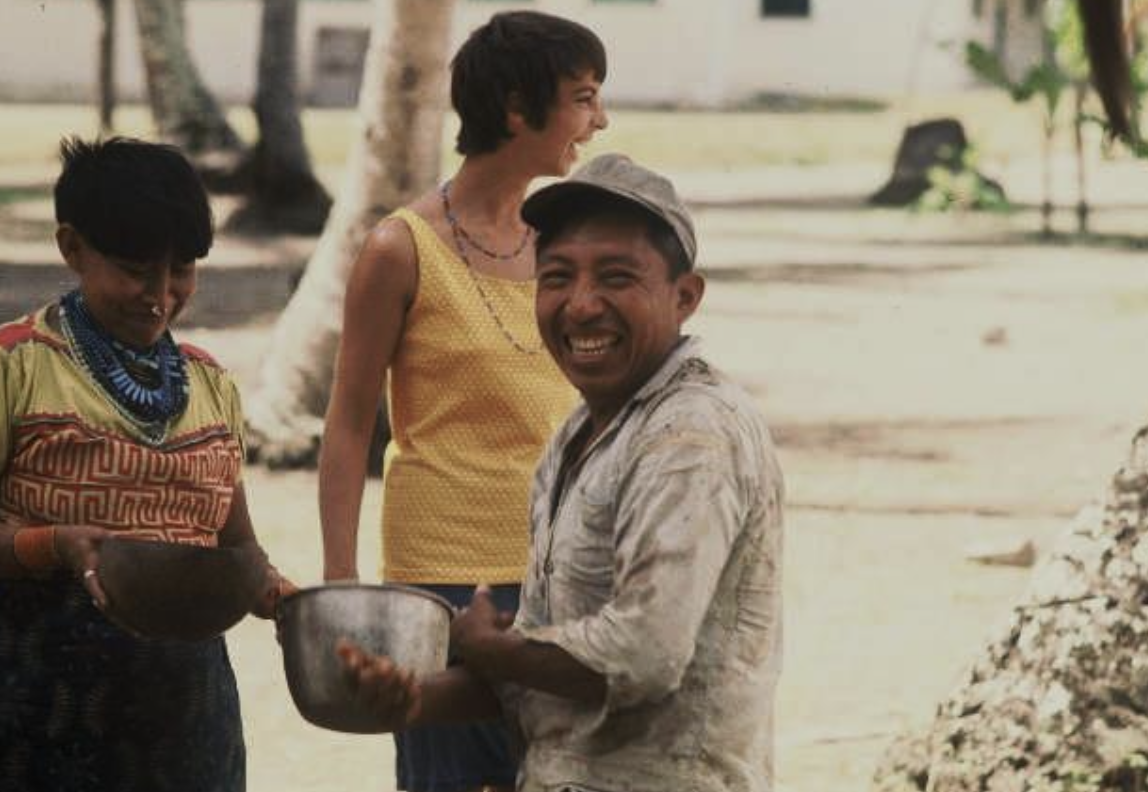
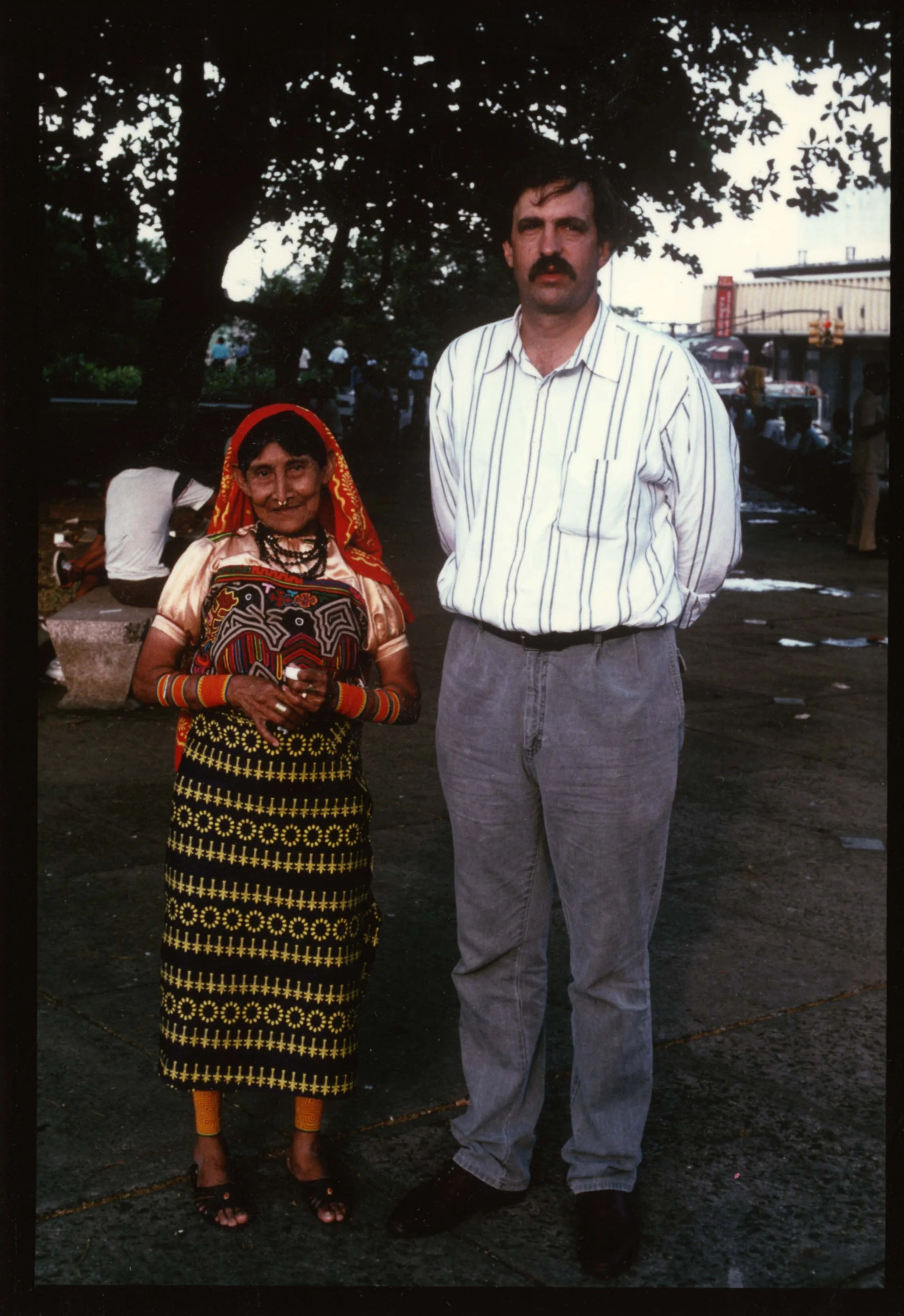
James Howe has also worked closely with indigenous anthropologists and political authorities, and with Latin Panamanian and North American colleagues as well. He has collaborated on several projects with the Congreso General de la Cultura Guna, and on a number of occasions he has been called upon to address Guna audiences in their own language.
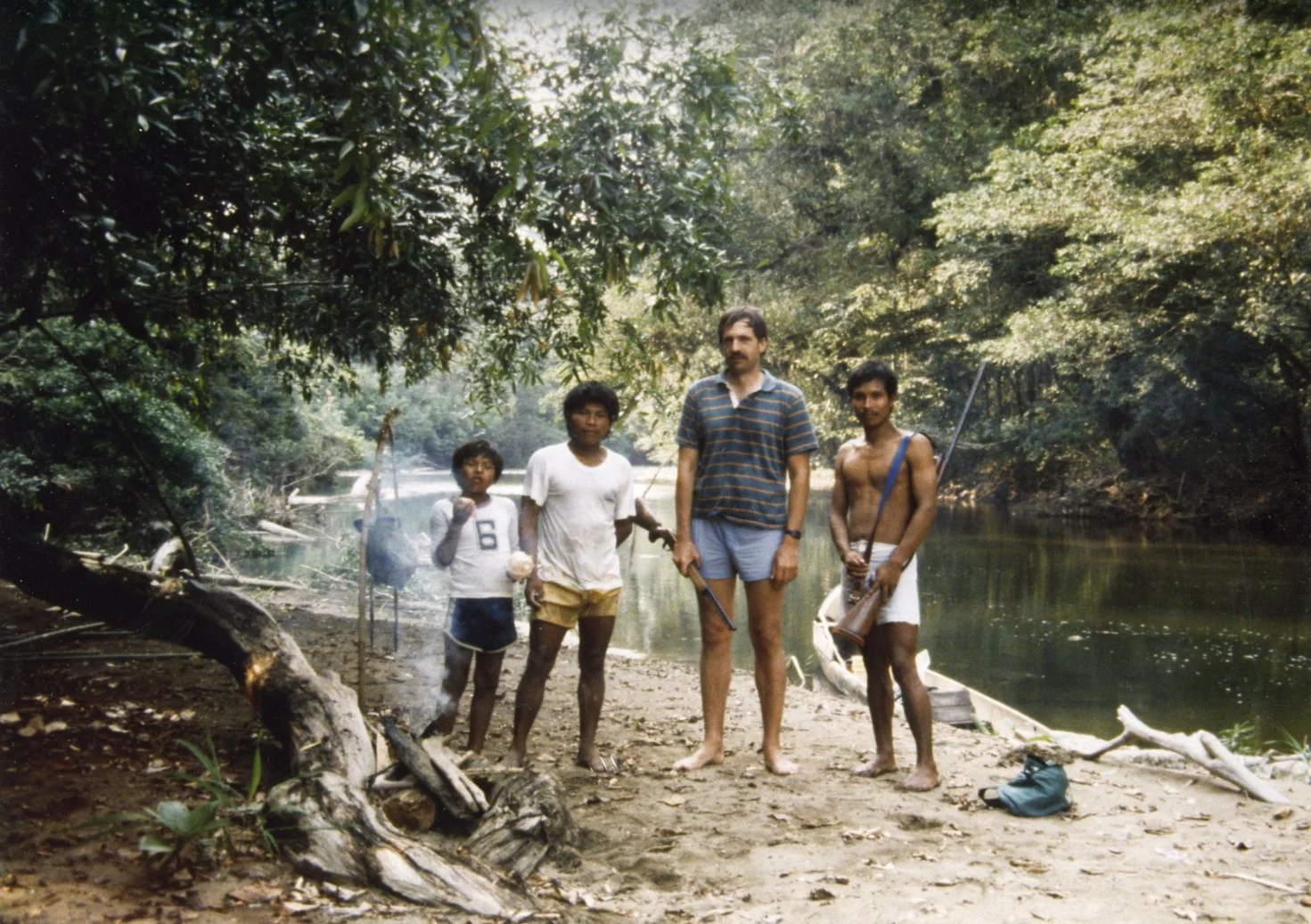
Research collaborators, co-authors, co-investigators, and long-time interlocutors include (among numerous others) Jesús Alemancia, Mac Chapin, Francisco Herrera, Rodolfo Herrera, Lawrence Hirschfeld, Cebaldo de León, Mònica Martínez, Faustino Rodríguez, Mari Lyn Salvador, Joel Sherzer, Reinaldo Sody, Peter Szok, and most of all, Bernal Castillo and Gonzalo Salcedo.